Refrigerator Filter vs Pitcher Filter: Which Is Actually Better? (Original Cost Data 2025)
Refrigerator Filter vs Pitcher Filter: Which Is Actually Better? (Original Cost Data 2025)
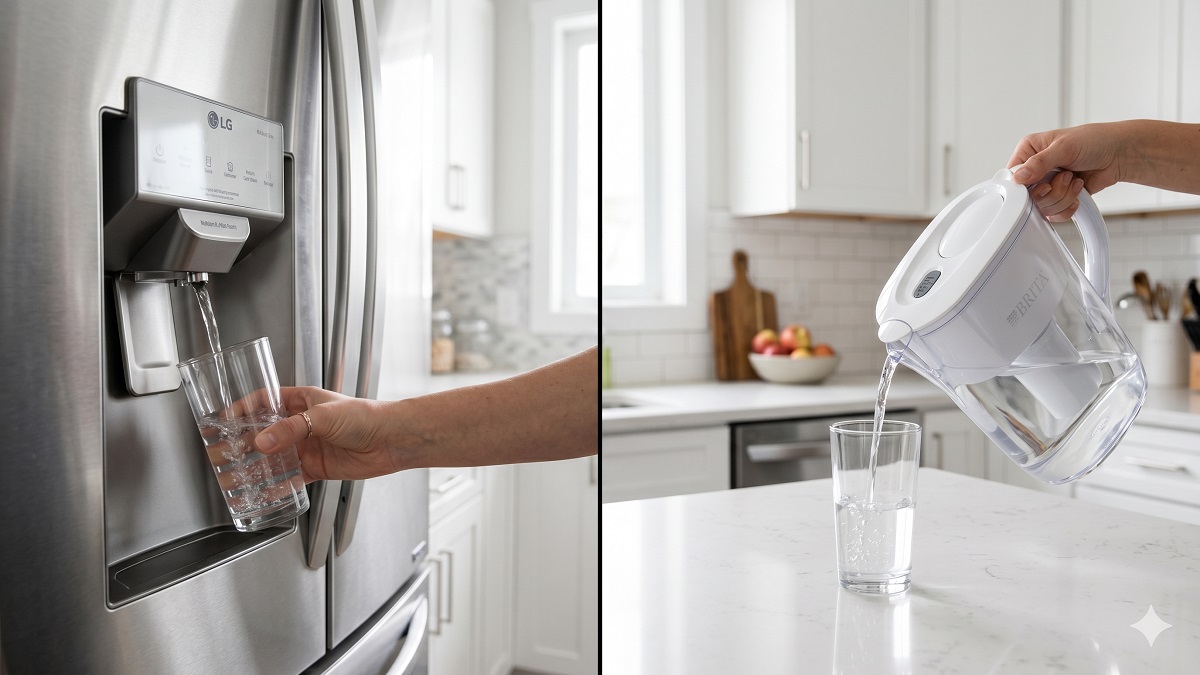
Households choosing between a refrigerator filter and a pitcher filter are making a decision that affects their daily convenience, water quality, and 5-year budget simultaneously. Most comparison articles are written by brands that sell only one type — and therefore present a biased view. This article is the exception. We sell refrigerator filters, but we are going to give you the honest data on both options, because the right answer depends on factors that vary by household.
Head-to-Head: Original Cost-Per-Gallon Analysis (January 2025 Prices)
Cost-per-gallon is the only meaningful cost comparison metric for water filtration — it normalises for different filter capacities and replacement schedules. Here are the calculations using January 2025 retail prices:
| Filter Option | Filter Price | Rated Capacity | Cost Per Gallon | Annual Cost (family of 4) |
|---|---|---|---|---|
| Refrigerator compatible (e.g. LT1000P) | $19.95 | 200 gallons | $0.10 | ~$40 |
| Refrigerator OEM (e.g. LG OEM) | $44.99 | 200 gallons | $0.22 | ~$90 |
| Brita Standard pitcher (white) | $7.99 (replacement filter) | 40 gallons | $0.20 | ~$60–80 |
| Brita Longlast pitcher filter | $15.99 | 120 gallons | $0.13 | ~$40–50 |
| PUR pitcher filter | $9.99 | 40 gallons | $0.25 | ~$75–90 |
| ZeroWater pitcher filter | $14.99 | 25–40 gallons | $0.37–$0.60 | $120–$200+ |
| Bottled water (store brand) | ~$1.00/gallon | — | $1.00 | $365+ |
An NSF-certified compatible refrigerator filter at $0.10 per gallon is the lowest cost certified-quality water option available to most households. Even the best-value pitcher (Brita Longlast at $0.13/gallon) costs 30% more per gallon. ZeroWater, while offering broader contaminant reduction, costs 4–6 times more per gallon than a compatible refrigerator filter.
NSF Certification Comparison — What Each Actually Filters
Note: Brita’s Standard filter carries only NSF 42 (taste/odour) — not NSF 53 (lead/health). The Brita Longlast and Brita Elite carry NSF 53. Always verify the specific pitcher filter model’s certification at NSF International’s database — different Brita filter models within the same brand have different NSF certifications.
Convenience Comparison — The Factor Cost Charts Miss
The refrigerator filter’s largest advantage is not cost — it is convenience. Water is available on demand, chilled, at a consistent flow rate, at any time of day. Pitcher filters require:
- Manually refilling the pitcher (typically 5–6 fillings per day for a family of 4)
- Waiting 5–10 minutes for gravity filtration to complete
- Planning ahead to ensure enough filtered water is available
- Finding storage space for the pitcher in the refrigerator
- Cleaning the pitcher housing (which can harbour bacteria and mould if neglected)
The refrigerator filter also filters water used for ice — something a pitcher filter cannot do. For households with frequent ice maker use, this is a meaningful quality advantage.
Our Verdict — When Each Option Wins
Hygiene and Bacterial Risk — The Hidden Pitcher Disadvantage
Cost-per-gallon and NSF certification comparisons between pitcher and refrigerator filters address filtration performance. They rarely address a meaningfully different concern: the ongoing hygiene of the filter housing itself.
A refrigerator water filter is a closed system. Water enters through a sealed supply line, passes through the sealed filter cartridge, and exits through a sealed dispenser. The carbon media never contacts open air, ambient kitchen bacteria, or human hands during normal operation. When the filter is replaced every 6 months, the old cartridge is discarded entirely — no cleaning required.
A pitcher filter is an open system. The pitcher reservoir is filled repeatedly from the tap, exposed to ambient air every time the lid is removed, and handled by multiple household members. Pitcher reservoirs — if not cleaned regularly — accumulate bacterial biofilm, mould, and algae on the plastic surfaces and in the lid mechanism. The filter cartridge itself, sitting in a moist pitcher environment, can develop bacterial growth if the pitcher sits unused for extended periods or is stored improperly. A 2014 study published in the Journal of Applied Microbiology found measurable bacterial colonisation in pitcher filters used continuously for several weeks without thorough reservoir cleaning.
- Wash the pitcher reservoir, lid, and spout with hot soapy water every 2 weeks at minimum
- If any cloudy water, slime, or odour appears in the reservoir — wash immediately and replace the filter
- Do not leave the pitcher filled with water for more than 24 hours without refrigerating it
- A dishwasher-safe pitcher reservoir should be run through the dishwasher at least monthly
- The filter cartridge itself should never be washed — replace on schedule regardless of appearance
The refrigerator filter wins on hygiene by design — its closed system requires no cleaning, no reservoir management, and no weekly maintenance discipline from the household. For busy households or those less likely to maintain a regular pitcher cleaning schedule, this is a meaningful advantage beyond the cost and convenience comparison.
| Situation | Best Choice | Reason |
|---|---|---|
| Household with a refrigerator with built-in filter | Refrigerator filter | Lower cost, instant flow, also filters ice, already installed |
| Renting with no refrigerator filter | Pitcher (NSF 42+53) | No installation, portable, low upfront cost |
| Small household, low water consumption | Pitcher (Brita Longlast) | Lower filter frequency, lower annual cost |
| Family of 4+ with heavy ice maker use | Refrigerator filter | Pitcher cannot filter ice; refilling inconvenience at scale |
| Fluoride reduction needed | Neither — use NSF 58 RO system | Neither carbon filter type removes fluoride |
| Budget-focused household with a refrigerator | Compatible refrigerator filter | $0.10/gallon vs $0.13–$0.60/gallon for pitchers |
For the complete guide to selecting and using a refrigerator filter: Refrigerator Water Filter Buying Guide 2025. For how much fluoride your water actually contains: check your utility’s Consumer Confidence Report at EPA.gov/ccr.
Frequently Asked Questions
Get the Best Value Certified Filtration — From Your Refrigerator
NSF 42+53 certified compatible refrigerator filters from $15.95. $0.10/gallon. Same-day shipping. Find yours in seconds.
🔍 Find My Refrigerator Filter